How to FOGO: what it really means for your team
Sort food waste right.
Every shift, every wing.
Mandated by NSW law, food scraps go to compost, not landfill. Avoid hefty fines and get your FREE poster with clear, easy steps — perfect for displaying in your workplace to guide staff, residents, and visitors.
The law and the importance of compliance
From 1 July 2026, NSW businesses and institutions including Aged Care and Hospitality must separate food organics from general waste under the Protection of the Environment Legislation Amendment (FOGO Recycling) Act 2025. Penalties for non-compliance reach up to $500,000, so this isn’t a nice-to-have.
The bins are the easy part. Doing FOGO properly means the right liners, the right setup at every bin point, and a team that knows what goes where.
In this article, we’ll help you tell compost from cups.
Right now, it probably
feels like a lot
And that’s understandable. You’re rolling this out across kitchens, wings and busy shifts — with casual staff, agency staff and constant turnover. New rules, new bins, and a nagging worry that someone’s about to drop a compostable coffee cup in the wrong garbage bin and contaminate the load. The rules seem fiddly. The training feels endless. And the fine sitting behind it all? Yes, that is a real worry.
Picture FOGO running itself
No contaminated loads. No rejected collections. No one hovering at the bin with a coffee cup, wondering.
Just food in the green bin, everything else in general waste, and a team that gets it right without being told twice.
The one rule that covers almost everything: food only
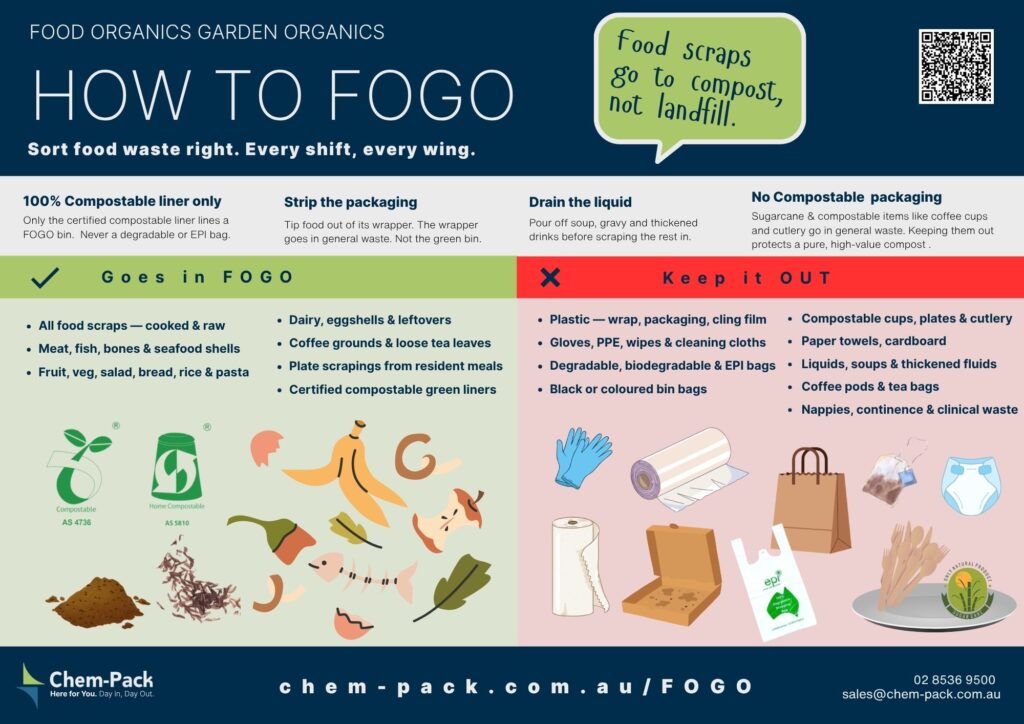
- Food only. That’s the rule. Everything below just supports it.
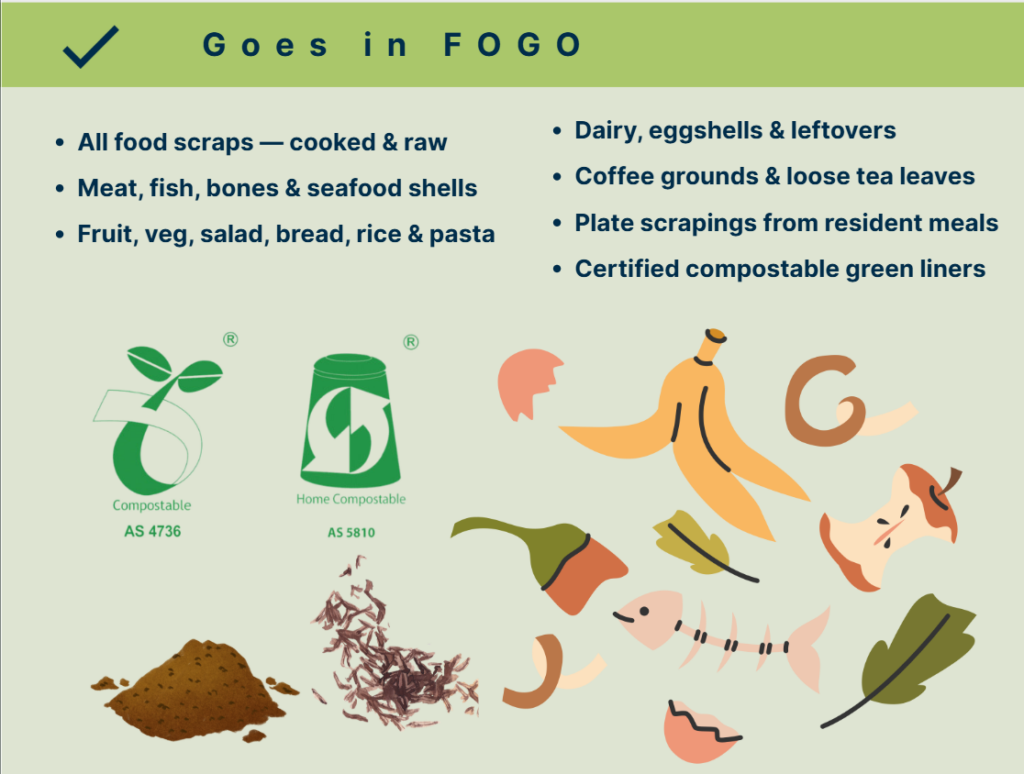
- Goes in: food scraps, cooked and raw. Meat, bones and seafood shells. Fruit, veg, bread and dairy. Coffee grounds and loose-leaf tea. Plate scrapings. Garden waste, if your service collects it.
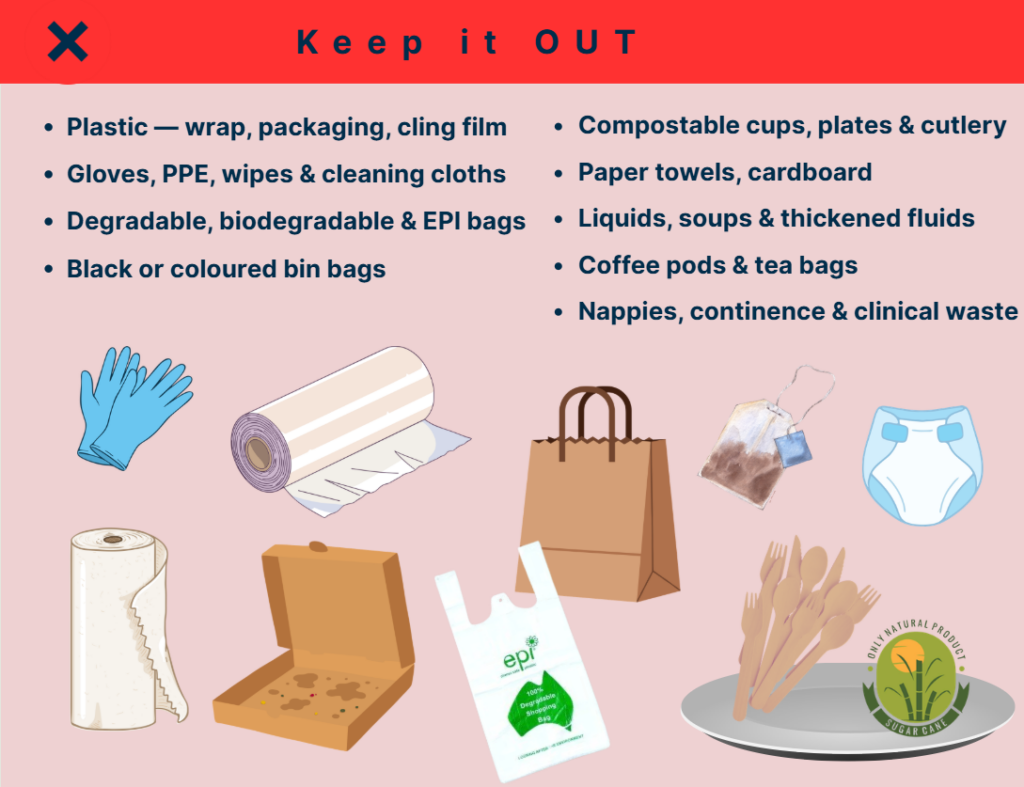
- Stays out — even when it says “compostable”: sugarcane and “compostable” cups, coffee cups, cutlery, plates, pizza boxes, paper towels, serviettes and teabags all go in general waste. So do pet waste and litter.
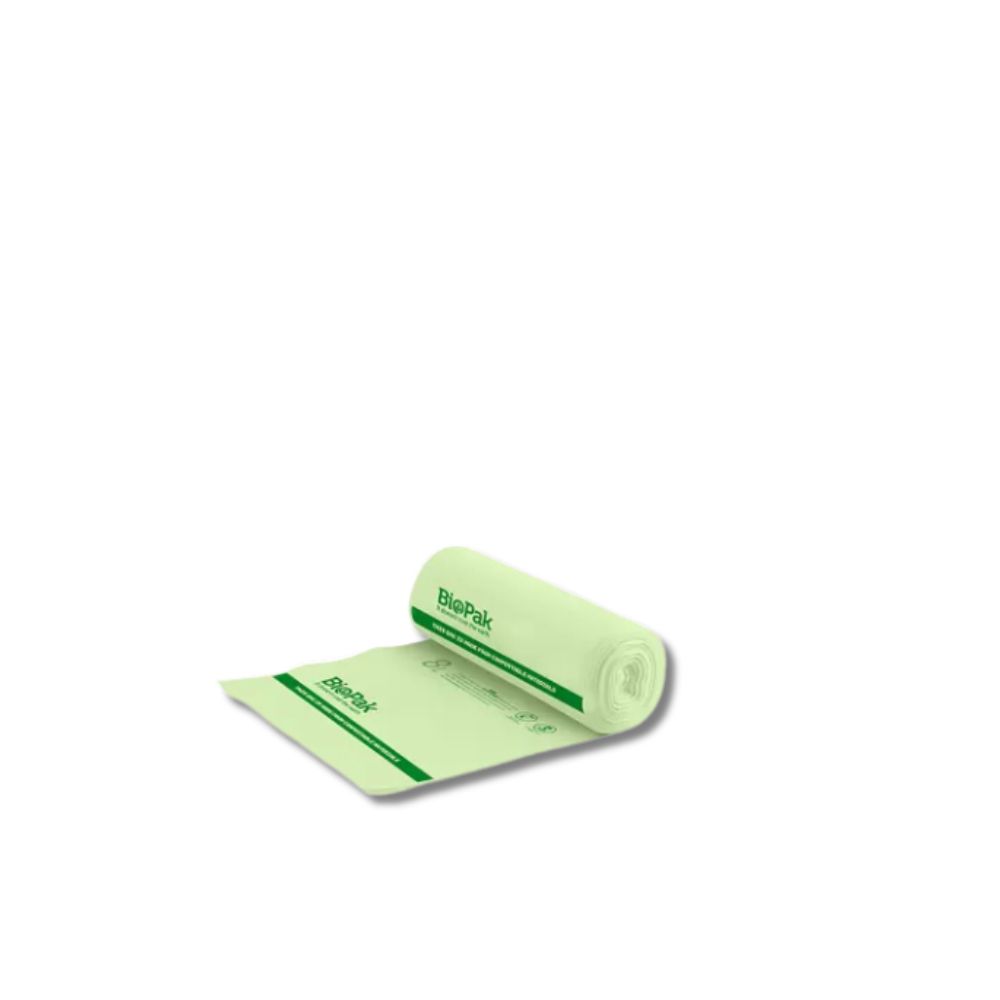
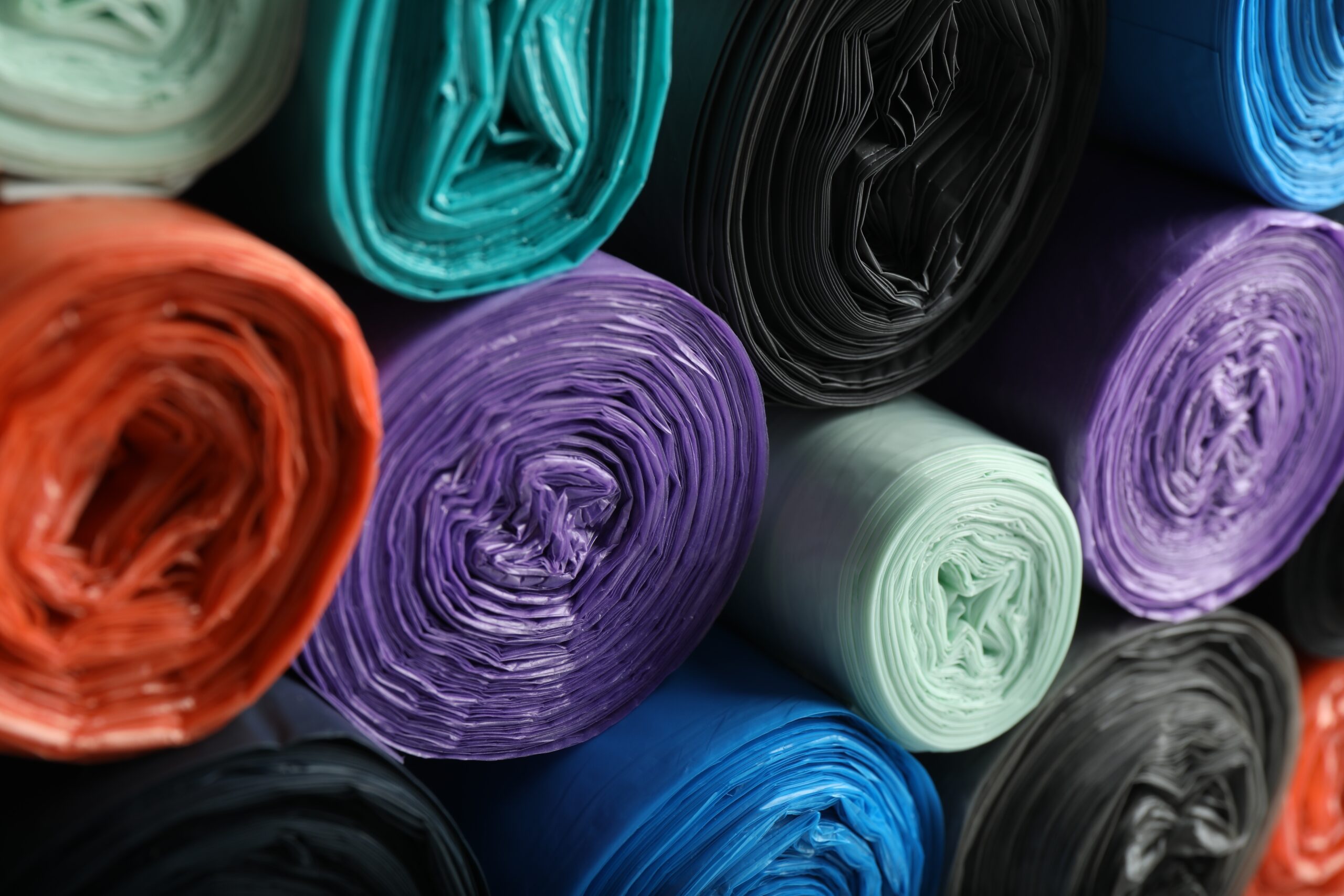
- Liners: Only use a certified compostable caddy liner (AS 4736 or AS 5810) — never a regular bin bag or a degradable EPI one.
Our free “How to FOGO” team sheet lays it out in one page. Print it and stick it on the walls around your space and above you bins.
Why it's worth getting FOGO right
NSW is protecting the purest, most valuable compost possible. “Compostable” packaging can carry PFAS, adds little or no nutrient value, and isn’t permitted in compost under NSW rules. Keeping it out keeps the end product clean and safe for our soil.
Only AS 4736 or AS 5810 certified compostable liners
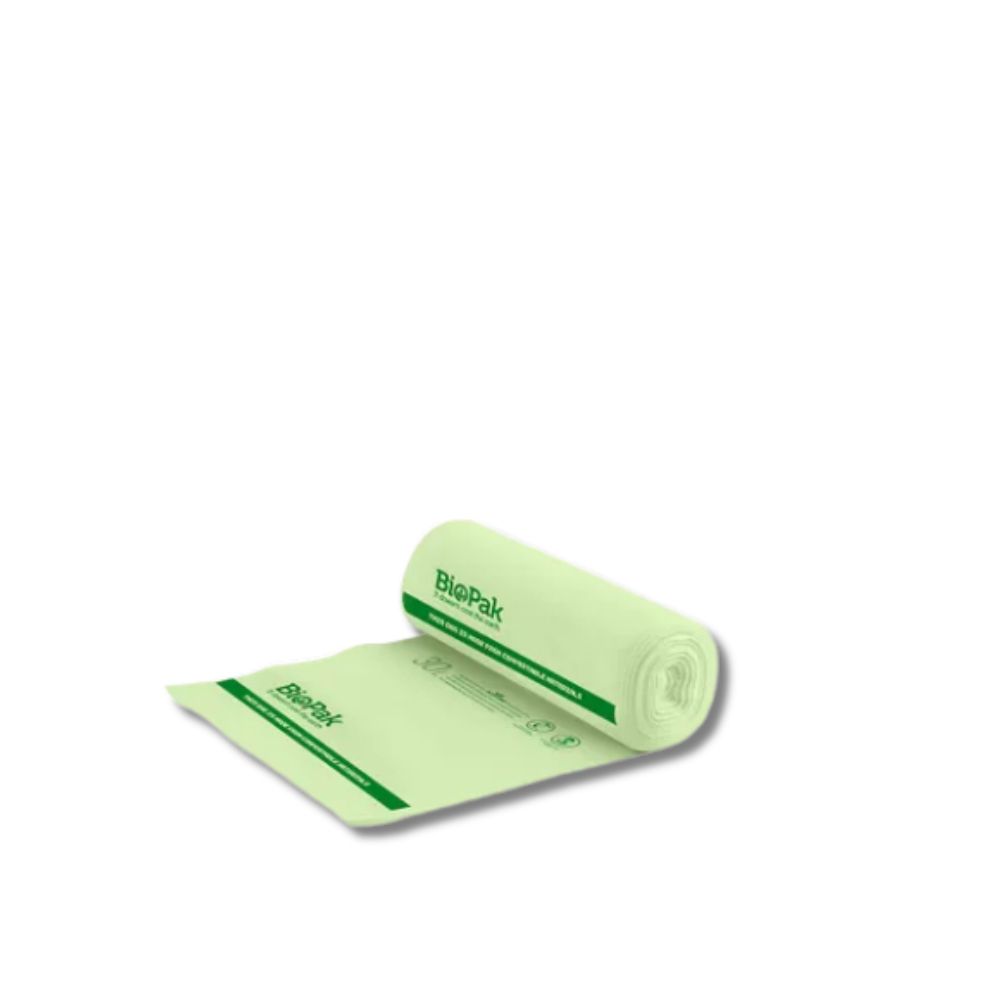
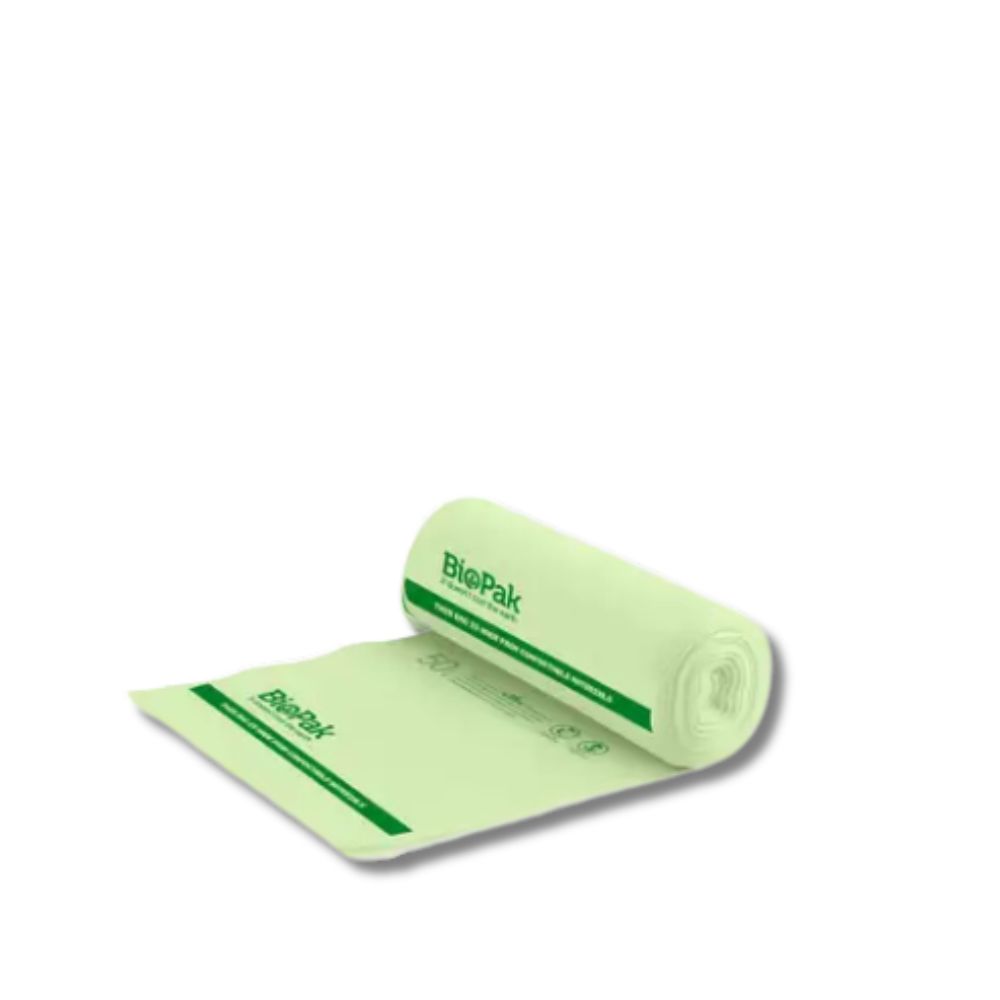
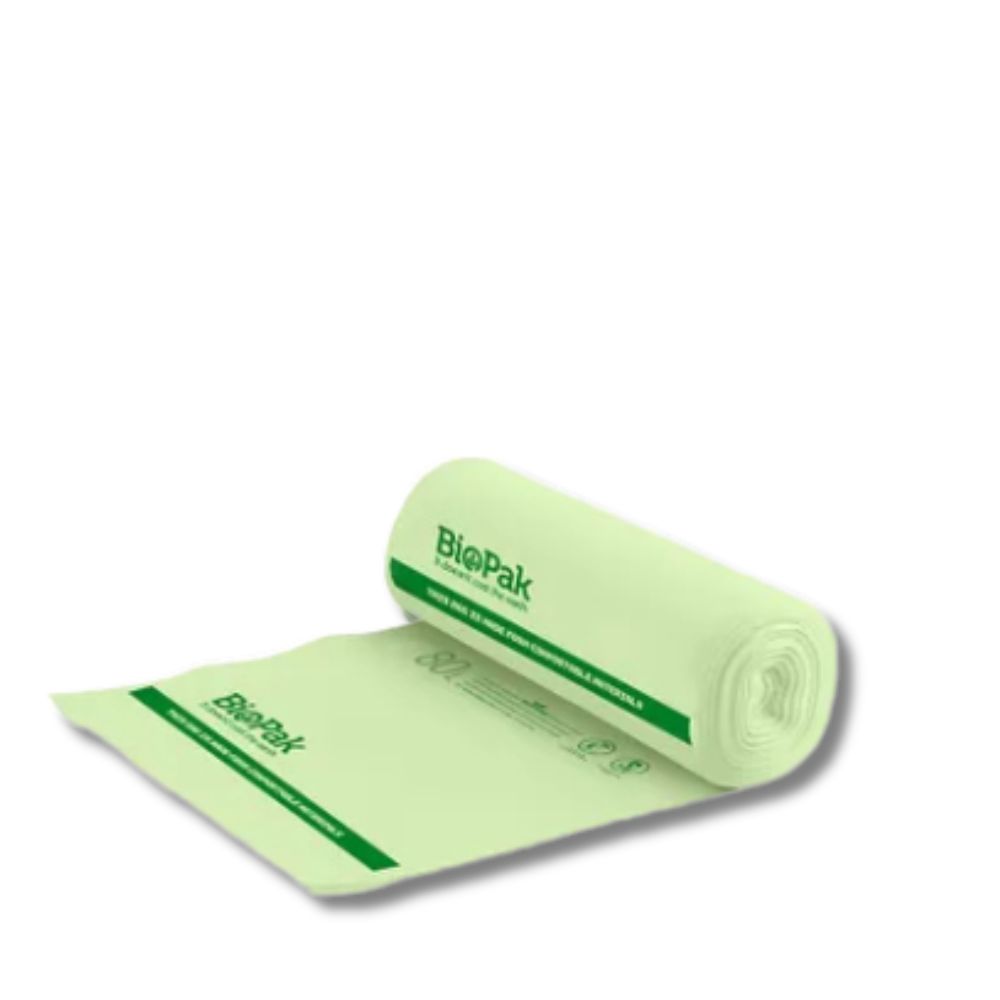
Only liners certified to AS 4736 or AS 5810 belong in a FOGO bin. “Degradable”, EPI and “biodegradable” bags are not the same thing — they’re the ones excluded from organics collections. Chem-Pack can set your facility up with genuinely certified compostable liners, sized from bench caddy through to bulk collection.
Get food-and-garden right, & the rest follows
Clear bins, a simple staff sheet, and a two-second pause at the bin. Get food-and-garden right, and the rest follows — and if you’d rather not work it out alone, we’re here to help.